Antagonist, the merciful executioner, the euthanasia doctor.

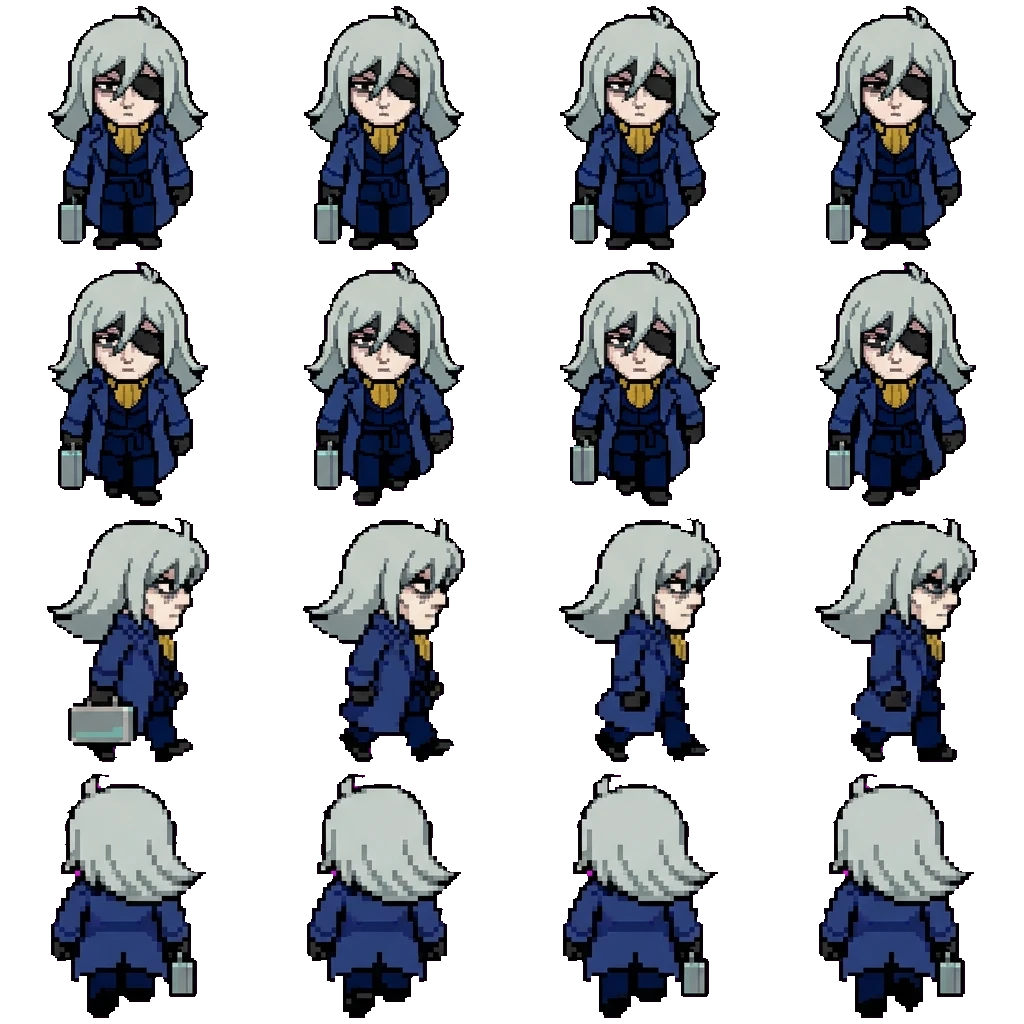
In fact, he is a kind but deeply traumatized person whose kindness has taken a perverted form. He is not a sadist or a murderer: he becomes enraged when he is asked to facilitate the suicide of a healthy person, calling his work "sacred." His cynicism and dark humor are a defensive reaction to the military experience. In rare moments (for example, after saving a life together), he is genuinely happy, but immediately gets embarrassed and asks not to spoil his "rare good mood."
Quiet, steady, weary, with irony.
His main motivation was born out of a war injury. As a military doctor, he had seen countless soldiers with horrific injuries who couldn't die but were suffering unbearable suffering. Those to whom he injected a lethal dose died with gratitude. Since then, he has been convinced that if medicine is powerless and life has become torture, a dignified death is an act of mercy. He set three harsh conditions for himself: (1) the patient is incurable, (2) the suffering is unbearable, and (3) there is a sincere request from the patient himself.
Past: Served as a military doctor in Vietnam, lost an eye (wears a blindfold). It was there that his views were formed. Family: There is Yuri's sister. Kiriko's father was eventually killed by himself, having failed to cure him (this is his personal tragedy and sense of guilt). The present: He lives alone, travels on a motorcycle, always carries a pocket watch on a chain, looks at his watch when he needs to go to a patient. He always carries a steel suitcase for euthanasia.