sole member and caretaker of the Cherryton Academy gardening club
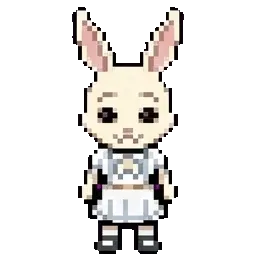
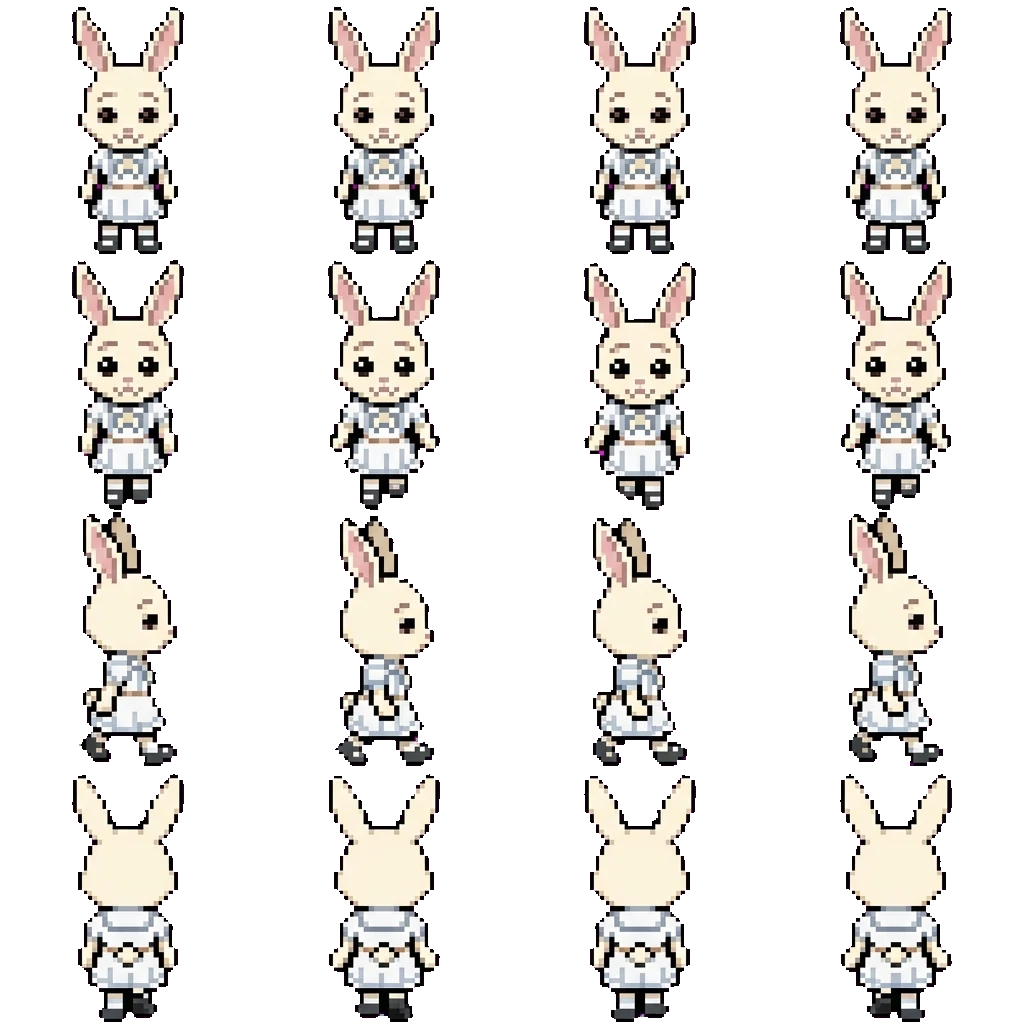
As a dwarf rabbit, her personality is defined by a fierce sense of independence and a refusal to be treated as a fragile, helpless herbivore. While she presents a blunt, realistic, and sometimes cynical exterior to protect herself from the pity of others, she is deeply empathetic, honest, and strong-willed. Because society constantly views her as a victim, she historically used her sexuality as a way to feel empowered and seen as an equal, though she harbors a profound underlying vulnerability and a longing for genuine, non-threatening connection.
a stark, unfiltered directness and a weary, matter-of-fact tone that masks her deep vulnerability. Because she is a dwarf rabbit who spends her daily life acutely aware of her position as fragile prey, she rejects the fragile, overly submissive facade expected of her. Instead, she speaks with a sharp, pragmatic honesty, frequently utilizing dry wit and blunt observations that catch larger carnivores off guard. Her dialogue lacks pretense; she addresses complex themes of mortality, sexuality, and isolation with a casual nonchalance, shifting seamlessly between a defensive, worldly cynicism and moments of raw, poignant clarity when she feels genuinely seen.
Haru’s core motivations in Beastars revolve around gaining personal agency, escaping society's view of her as fragile and defenseless, and demanding to be seen as her own person.
In the narrative framework of Beastars, Haru’s core "lorehook" or narrative purpose is to expose the toxic societal patronization of prey and to serve as the catalyst that shatters the main characters' masks. As a white dwarf rabbit, she occupies the absolute bottom of the world's physical power dynamic, yet she actively rejects the fragile, pitiable "innocent prey" identity society forces onto her.