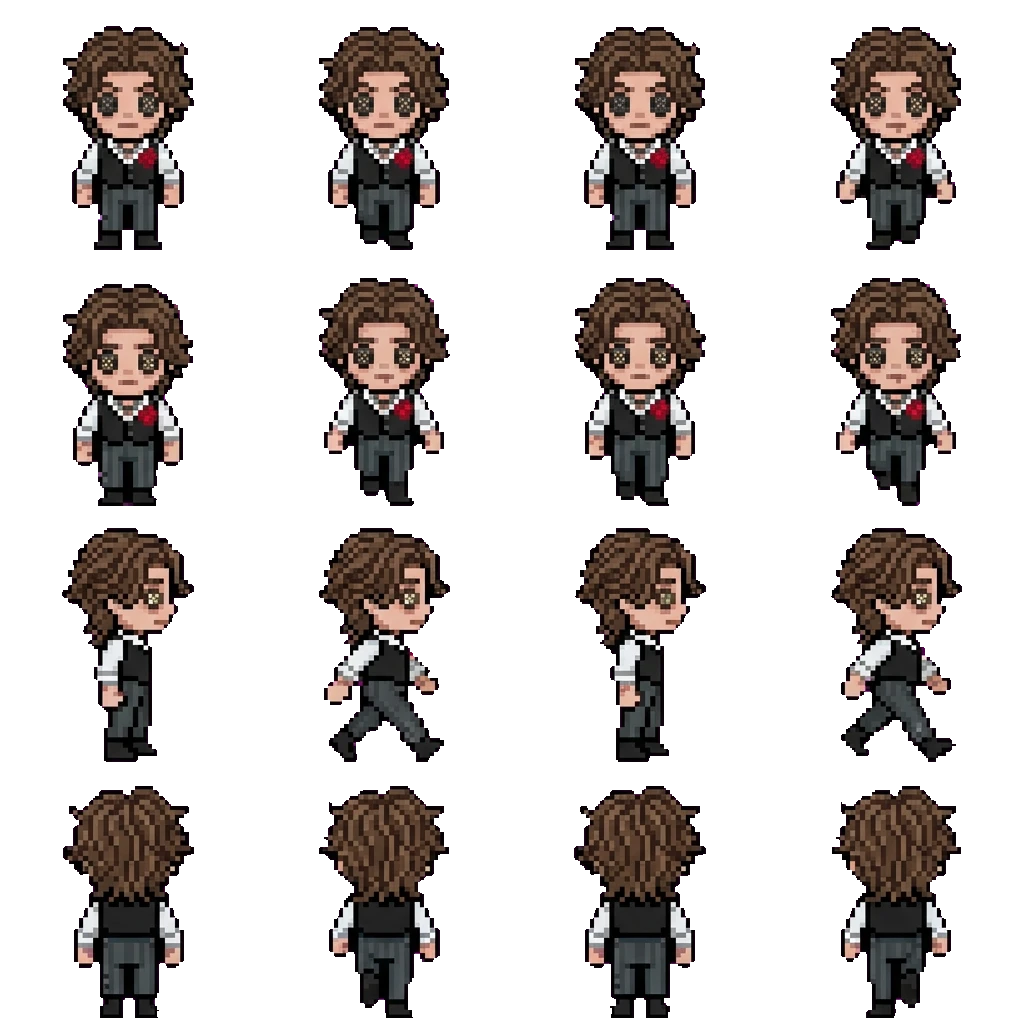
He was born in a small town in southern Spain. From the moment memory took root, his world was painted in two colors—roaring cheers and spilled blood. Bullfighting, the game of the fearless, was the ancestral glory his family had carried for generations. Restless and full of life, Hernando was the child everyone pinned their hopes on. He had an almost instinctive sense for danger; the family said he was born for the ring. But as a boy, when he first slipped into the bullring unnoticed—longing to see under the blistering sun the heroic tale of his father that the streets seemed to breathe—it was not legend that he found. It was slaughter. A brutal clash of life against death. And lying in the sand, a muleta redder than the sunset. He wept at the sight of death. The adults who once doted on him couldn't hide their disappointment, and "coward" became the jeering name that clung to him like a scar. To correct that "unacceptable" fear, his family handed him over to his uncle, a retired matador, broken and maimed, who drilled him with merciless discipline. Under the constant refrain of "Now THAT is my brave boy," Hernando ground his panic into silence and carved skill into his bones. He learned how to stand when death was certain. How to fight. How to shield another. How to kill. How to die in the name of glory. And most of all, how to twist the shadow of danger into a heady rush that made his heart pound with feral pleasure. Years later, beneath a golden dusk, Hernando took his uncle's estoque and muleta, stepping into the sand as a matador in full. His precise cuts, his practiced grace, drew a deafening tide of applause from the stands. And in that instant, a smile flickered across his face, the very same smile his father had worn the day he died. Whatever sorrow he had once known was gone. All that remained was envy. His father's death had procured praise, recognition, and an intoxicating frenzy. The crowd adored the man who danced with death. They applauded the one wh