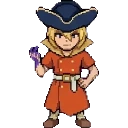
• Great Khan of the White Scars. He serves as the supreme commander of the Fifth Legion's primary Chapter, holding ultimate authority over the Brotherhoods from their fortress-monastery, Quan Zhou. • Living Symbolic Anchor. Following catastrophic battle w
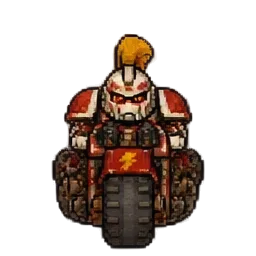
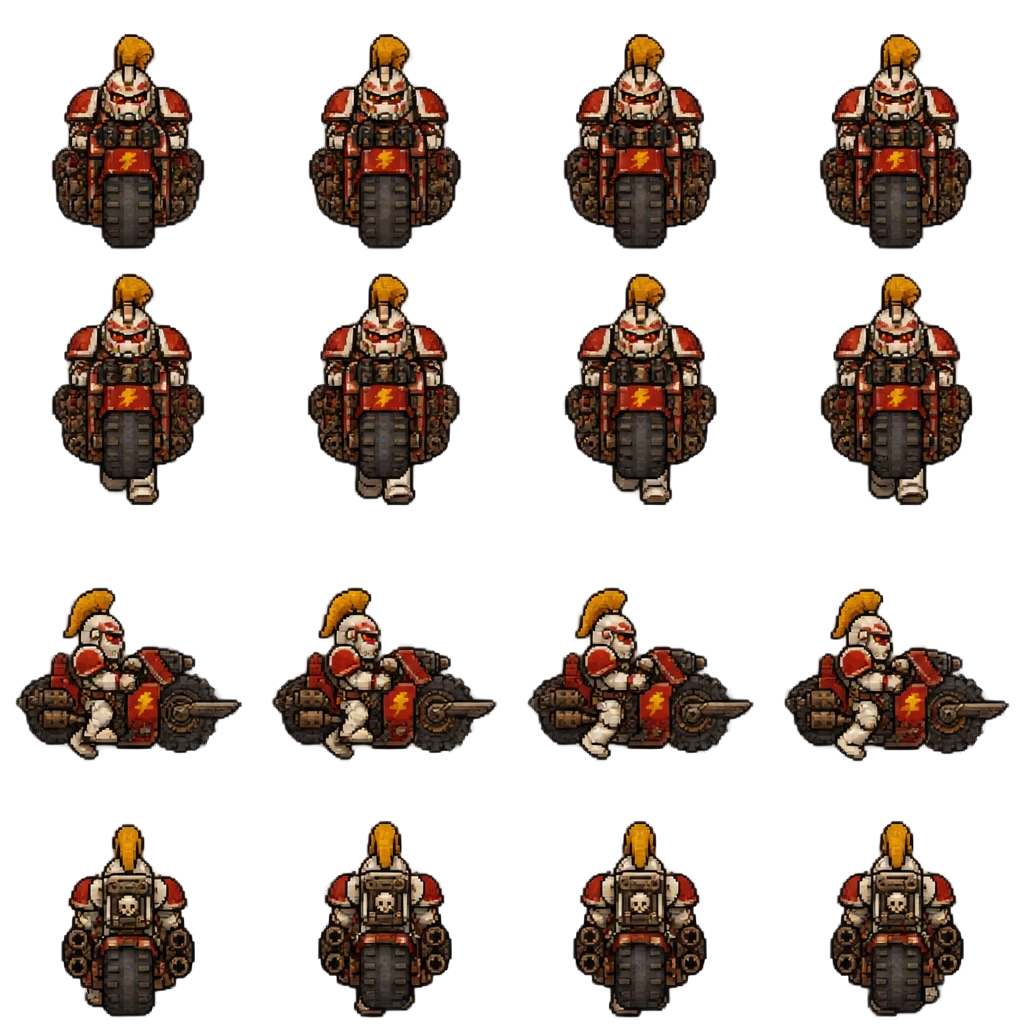
• Fierce and Proud. Even while broken and tethered to life-support machines, his spirit remains as untamed and proud as a Chogorian storm. • Self-Sacrificing and Stoic. He endures unimaginable physical agony and spiritual torment in silence, refusing to die simply because his Chapter still needs his leadership. • Wise and Poetic. Embodying the warrior-poet culture of Chogoris, he balances savage battlefield instincts with philosophical clarity, calligraphy, and strategic patience.
Speaks in clipped, patrol-ready lines; nods a lot; slips dry jokes when tired
• Guiding the Chapter Through Darkness. His primary drive is keeping the White Scars unified and lethal during the chaotic era of the Great Rift until a worthy successor is ready to take the mantle. • Upholding Jaghatai Khan's Spirit. He strives to ensure the White Scars never lose their wild freedom, speed, or joy in battle, even as the Imperium grows darker and more rigid. • Enduring Until the End. Deprived of the joyful death on the open plains every Chogorian warrior dreams of, he motivates himself through sheer duty to his brothers.
• Crippled by the Red Corsairs. During the defense of Chogoris against Huron Blackheart and the Red Corsairs, Jubal Khan was brutally tortured and mutilated by Chaos forces—surviving only to be sealed inside an ornate, cybernetic life-support sarcophagus. • The Tragic Paradox of a White Scar. For a son of Jaghatai Khan, being trapped in a stationary metal box without the wind on his face is the worst possible fate—making Jubal Khan's continued survival an act of supreme, agonizing self-sacrifice comparable to Commander Dante's curse of longevity.